
Fall on Hvar
September 7 through November 28, 2026
When the World
Was New
The first farmers. The first cities. The first scientists asking what life is made of. This fall, we begin at the beginning. On an island as ancient and eternally new as life itself, fifty children will explore seascapes, fields, and culture in the footsteps of Illyrians, Greeks, and the nameless tribes who sailed and wandered before history could know their names.
The Program
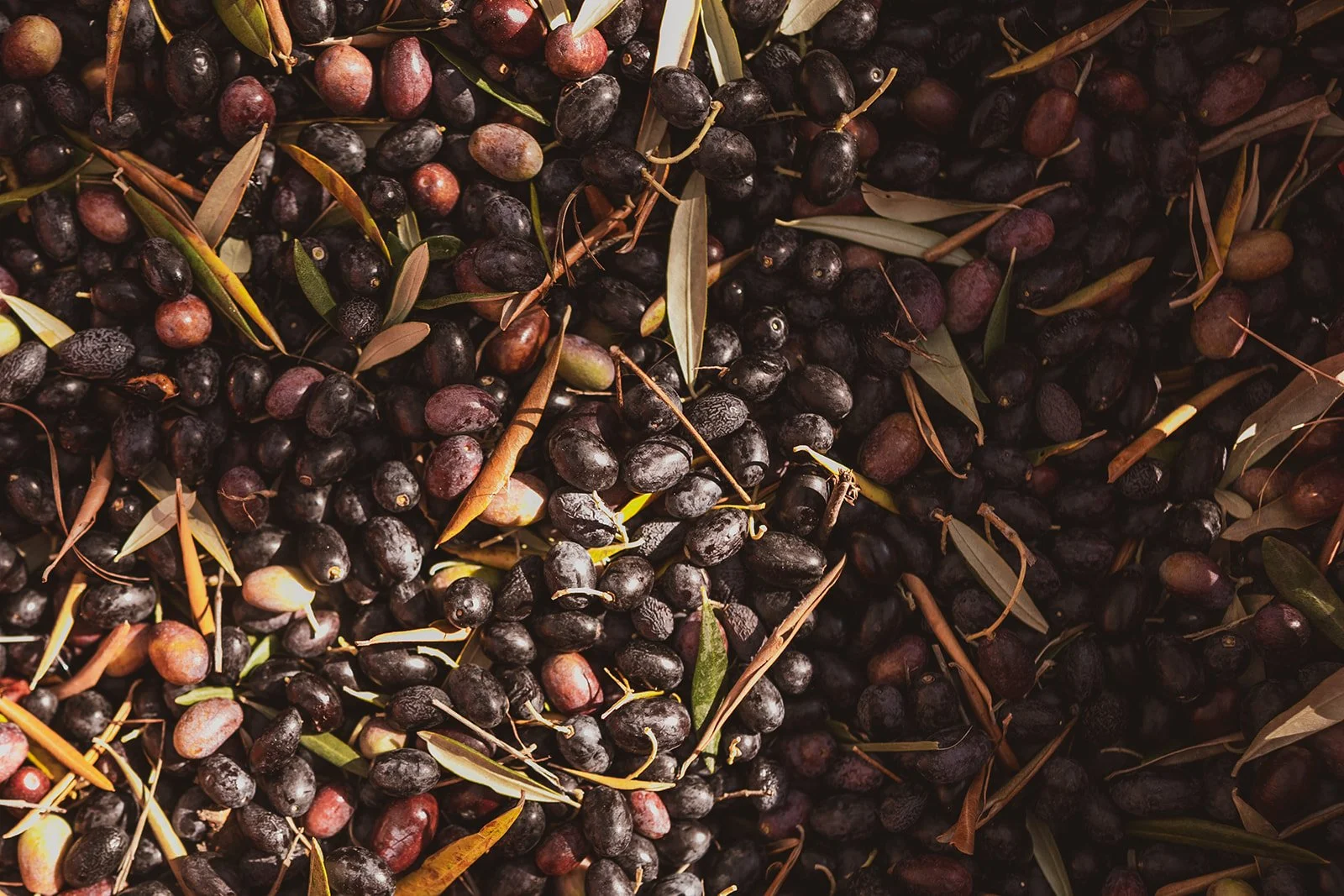
Crates fill with grapes. Olives darken on the branches of family orchards. And a community of families from around the world gathers on the island of Hvar to harvest, craft, discover, and explore our present and future through the lens of the deepest past.
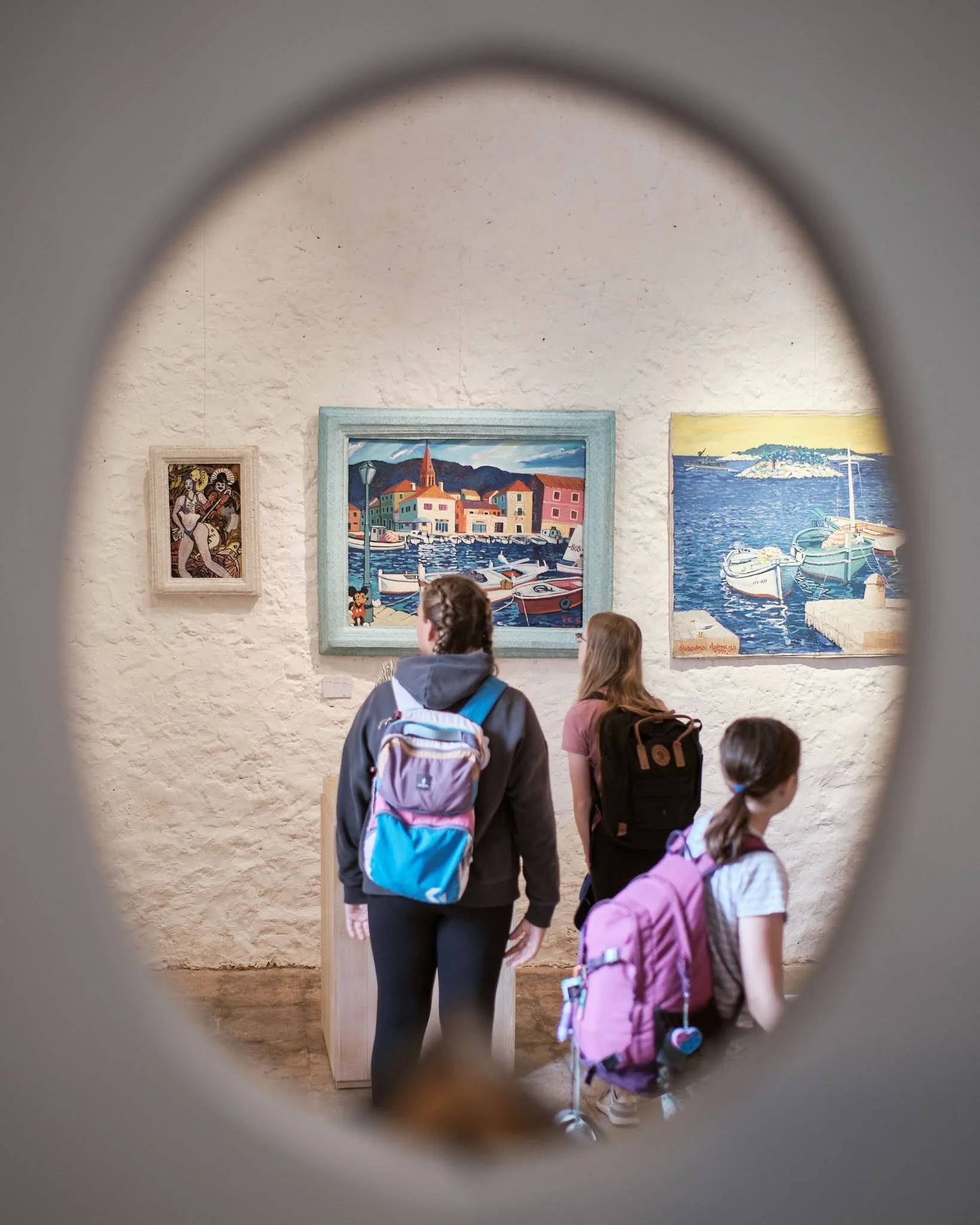
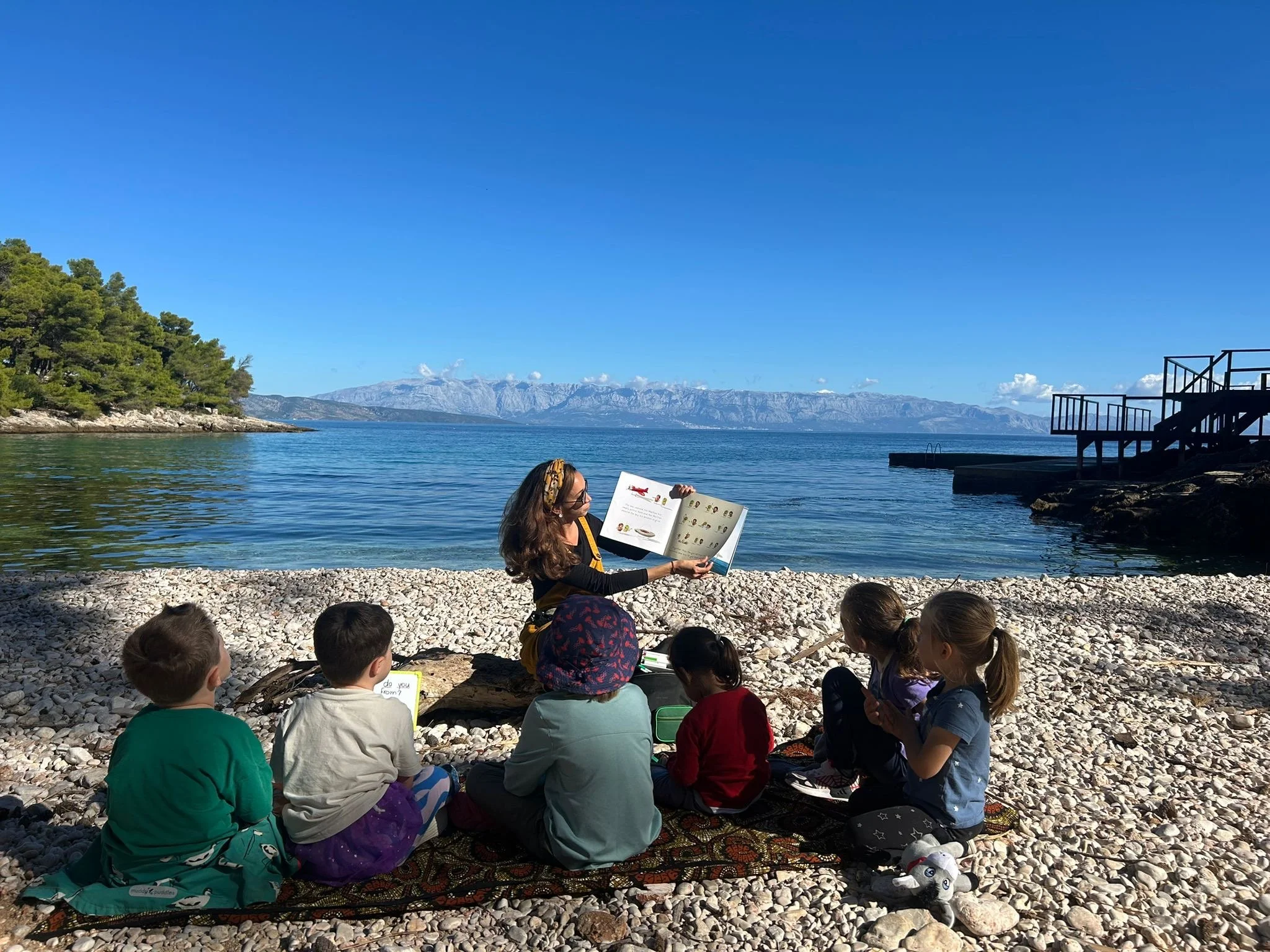
Language Arts From picture books to iambic hexameter, every child at Field is encountering literacy and literary culture daily. For younger children, the foundation is Wild Learning — a curriculum built around real-world, nature-integrated practice. The thread running through the fall is The Odyssey, encountered in age-appropriate forms across all groups, from Aesop and the D'Aulaires for the youngest to Fagles for secondary students. Our culminating project will be a “rhapsodic” performance of Homer’s verse — embodying this foundational work as the powerful, communal entertainment it was meant to be.
Mathematics Math bounces between concepts and real world experiences. The backbone for younger learners is Wild Math, a curriculum that builds number sense through nature and daily life. Children scale recipes, run market simulations, and estimate how long a ferment has been going for our Field Store project. Our oldest students spend the second half of fall with Euclid's Elements, discovering geometry as a way of seeing. Throughout, the emphasis is on understanding why a thing is true rather than simply knowing that it is.
Science Biology is the first science — the one closest to daily life, closest to questions children are already asking. Our curriculum, Building Foundations of Scientific Understanding, is one of the most respected inquiry-based programs available, and Hvar is a vivid laboratory for everything it asks children to observe and question. This fall, learners explore ecosystems, taxonomy, and the web of life through the island itself: its wild plants, its sea, its garden. The core practicum is developing our school garden, with particular attention to compost. Secondary students go deeper, reading annotated Aristotle and asking the question he asked on a Mediterranean island not unlike Hvar: what is life?
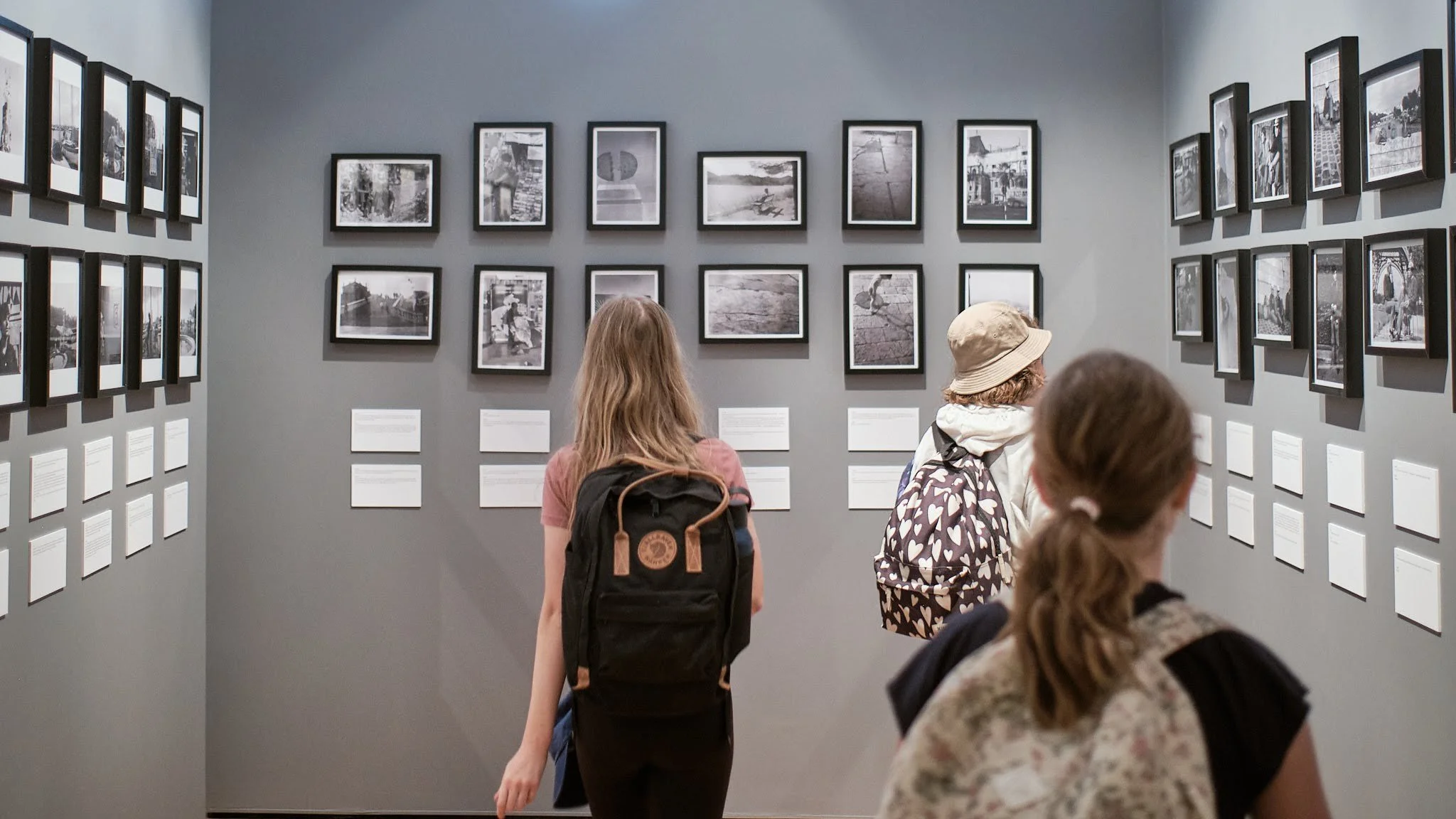
Social Studies The fall curriculum traces the human story from the paleolithic sailors of the Hvar Culture through Illyrian tribes, Greek colonists who founded Pharos — now Stari Grad, the oldest city in Europe — and into the ancient world beyond. The primary text is The Story of the World, an activity-based spine that weaves together myth, biography, art, and science, which we localize with visits to neolithic caves, Illyrian fortresses, and Greek ruins. The practicum is our Zero Kilometer Schoolwear project: children examine the past with their minds and hands to see our own economies of self-presentation with fresh eyes.
Boats
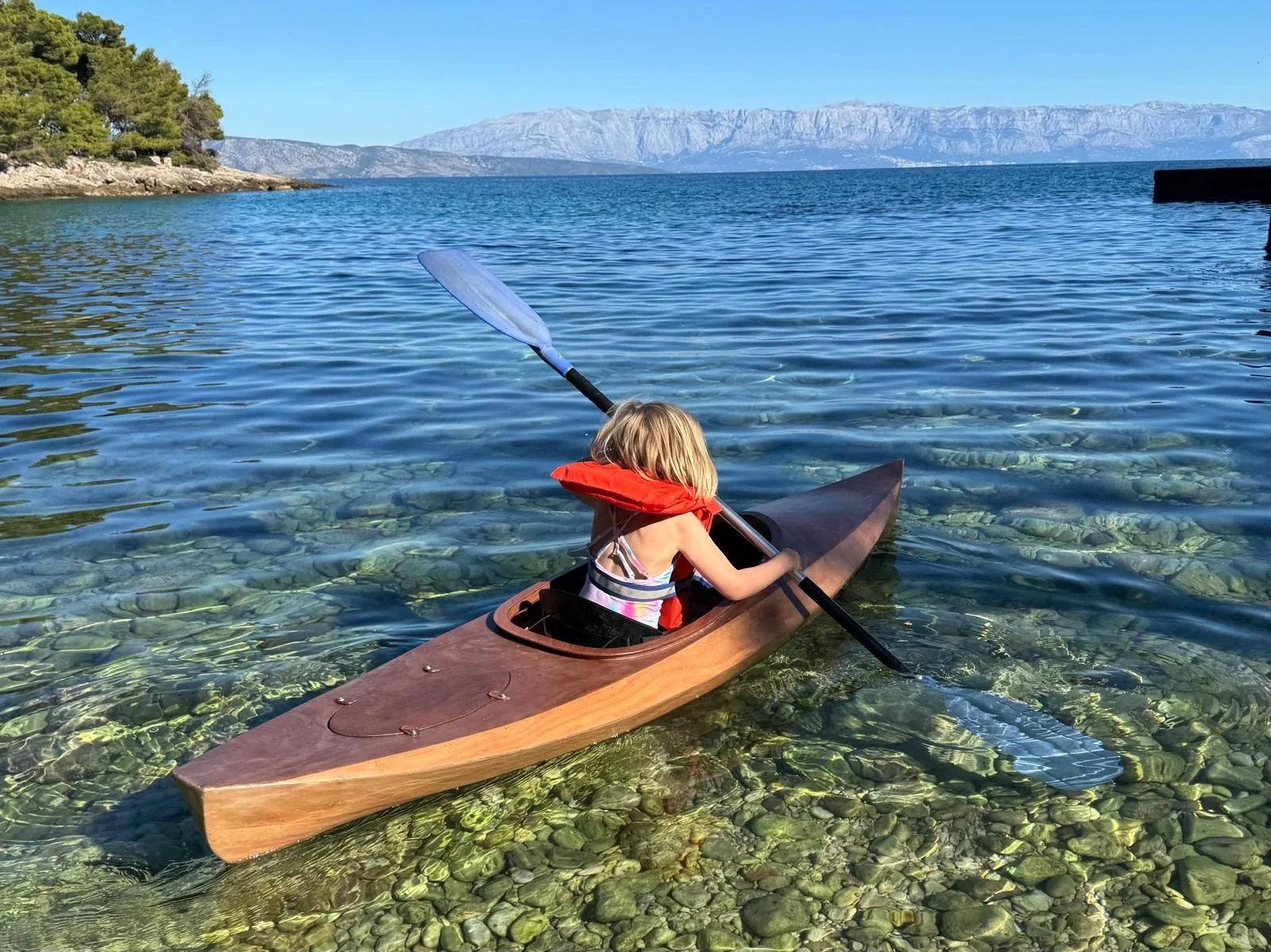
Hvar has been a seafaring island for at least ten thousand years. At Field, boats are woven into the life of the school from the first week. Older children take weekly sailing lessons on the Adriatic, building seamanship and confidence in equal measure. Younger children explore the coastline on weekly rides aboard a lovingly restored traditional leut or gajeta. And the whole community — children, parents, and faculty together — has the chance to help build a wooden boat by hand over the course of the session, part of our effort to revive lower-carbon forms of nautical tourism on the island.
Ages and Groups
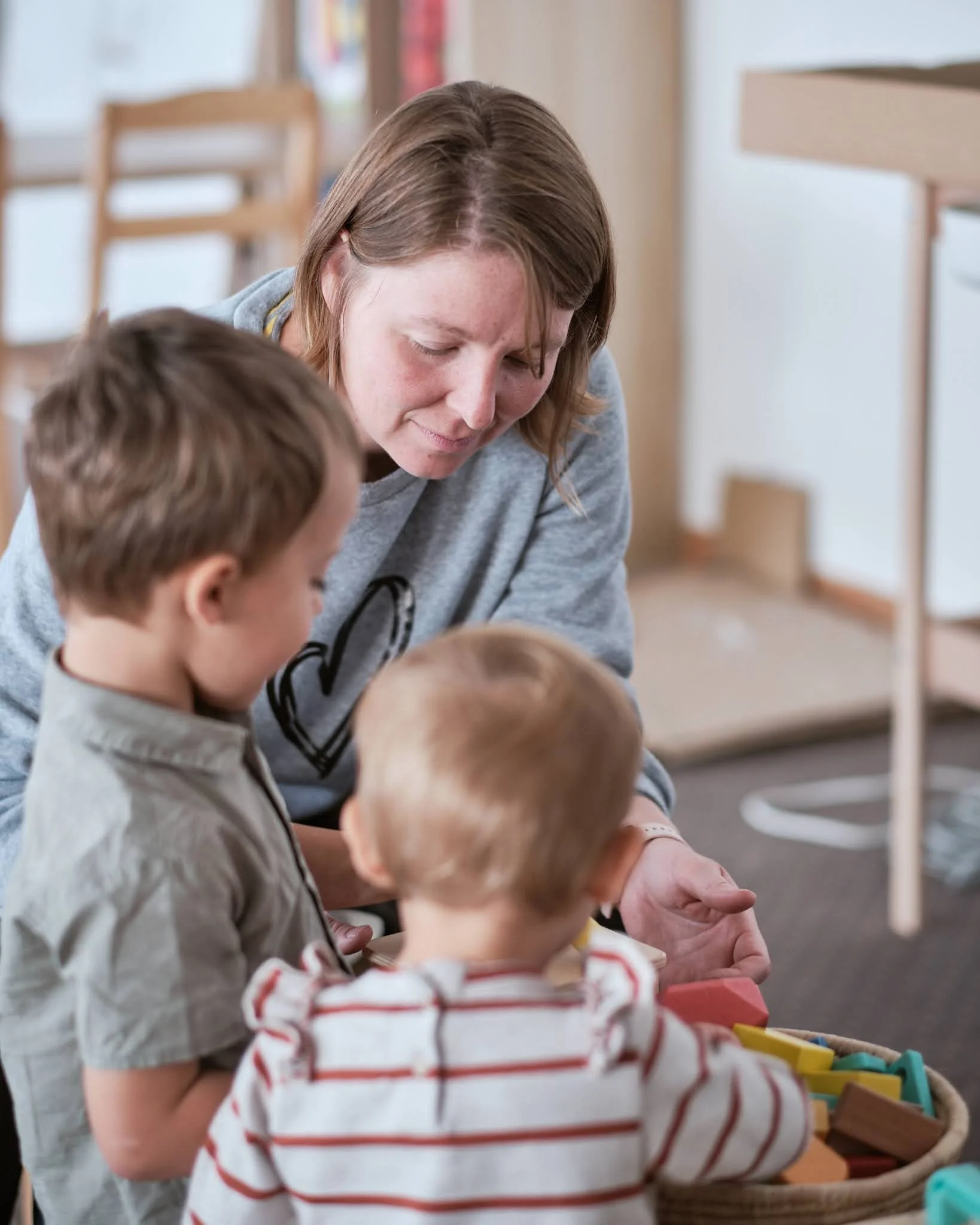
We will serve a maximum of 56 children ages 3 through 15. Groups are as follows:
Early Years: 6 children ages 3 and 4
Kinder: 6 children ages 5 and 6
Lower Primary: 8 children ages 7 and 8
Upper Primary: 10 children ages 9 and 10
Middle: 12 children ages 11 through 12
Secondary: 14 children ages 13 through 15
Groupings are based on age rather than any characteristics of each child, and may shift slightly based on enrollment. For math and literacy, children are clustered by learning level so that every child is appropriately challenged. Older learners sometimes select their own groups for projects and activities.
Each group is led by a childcare professional — either a certified teacher with experience in progressive learning settings or an educator with specific skills in outdoor learning or artisanship. Learn more about our faculty.
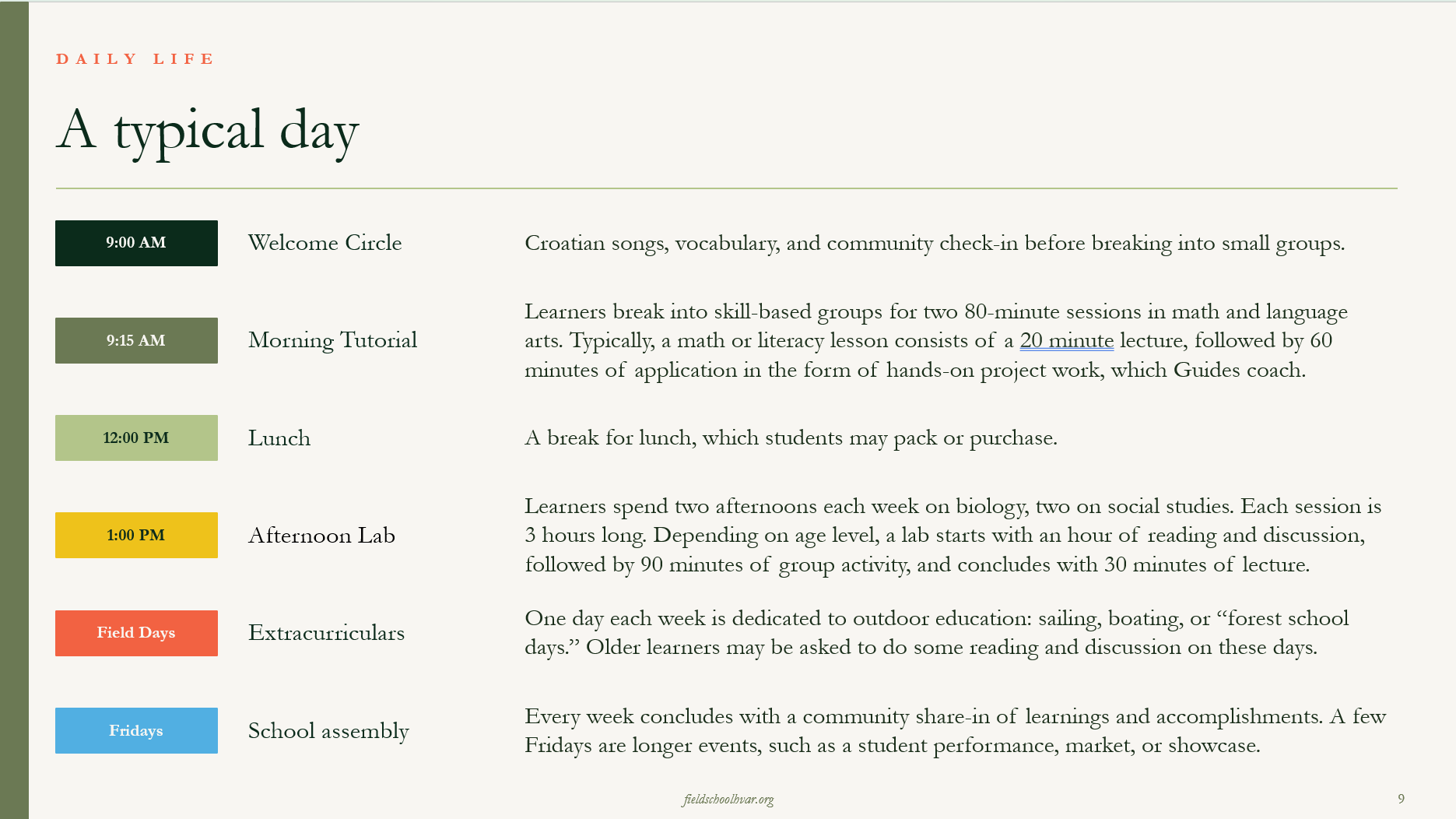
A Typical Day
9am — All-School Circle The day begins together with a Croatian song, basic vocabulary, and a moment to settle before breaking into skill-based groups for math and language arts tutorials.
12pm — Lunch A simple, healthy meal, eaten in the learning center or outside. More conversational Croatian. A little free time.
1pm — Projects Two afternoons each week are science-focused, two are centered on social studies. Learners form small groups and spend several weeks developing a response to a prompt — supported by academic instruction and coaching, and by field trips to cultural sites across the island.
4pm — Extracurriculars Fridays end in a school assembly; the final Friday of the session is a full-day celebration for parents and children. On other evenings, learners may join clubs hosted by Field School parents, faculty, or the local community — rowing, theater, dance, judo, piano, folk dancing, and more.
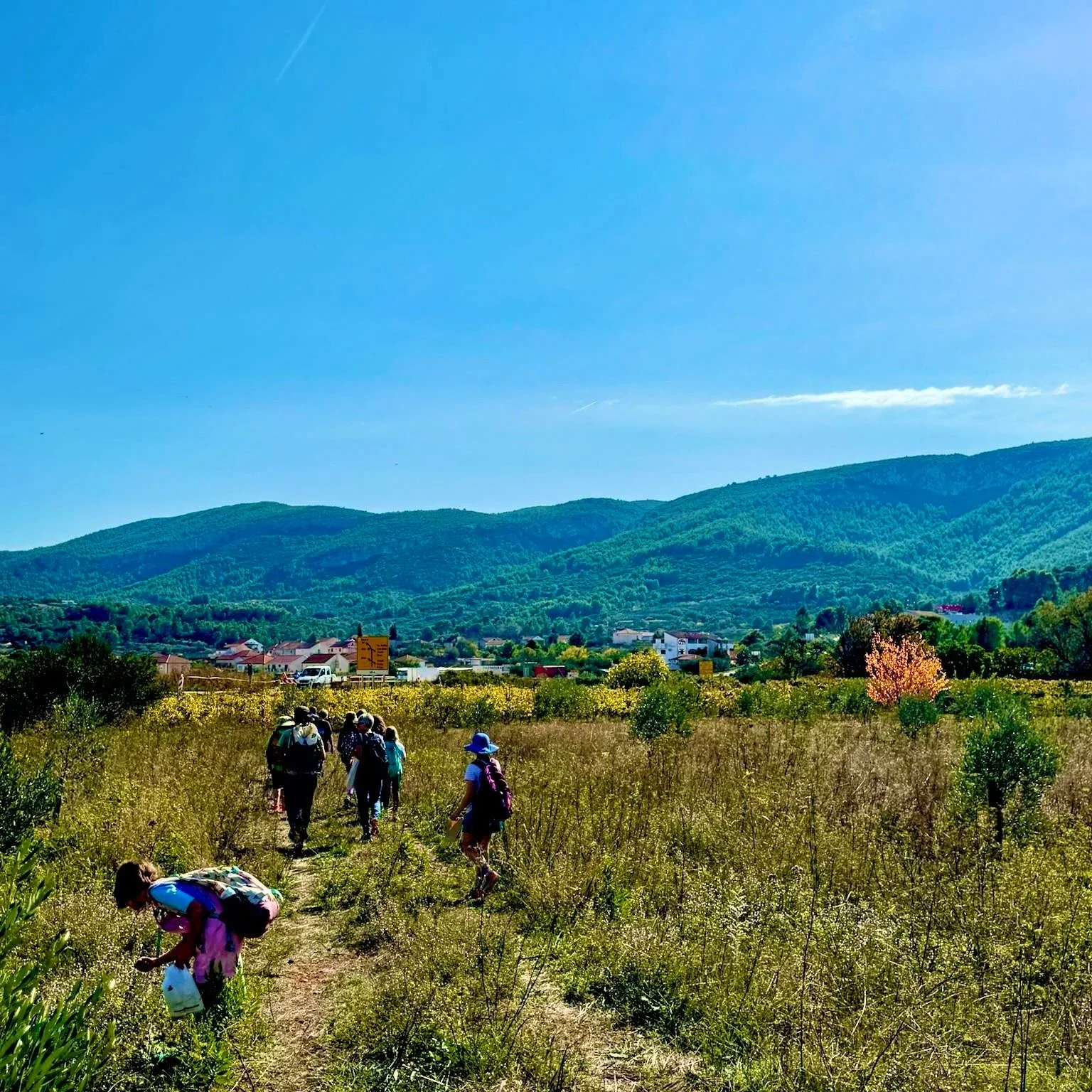
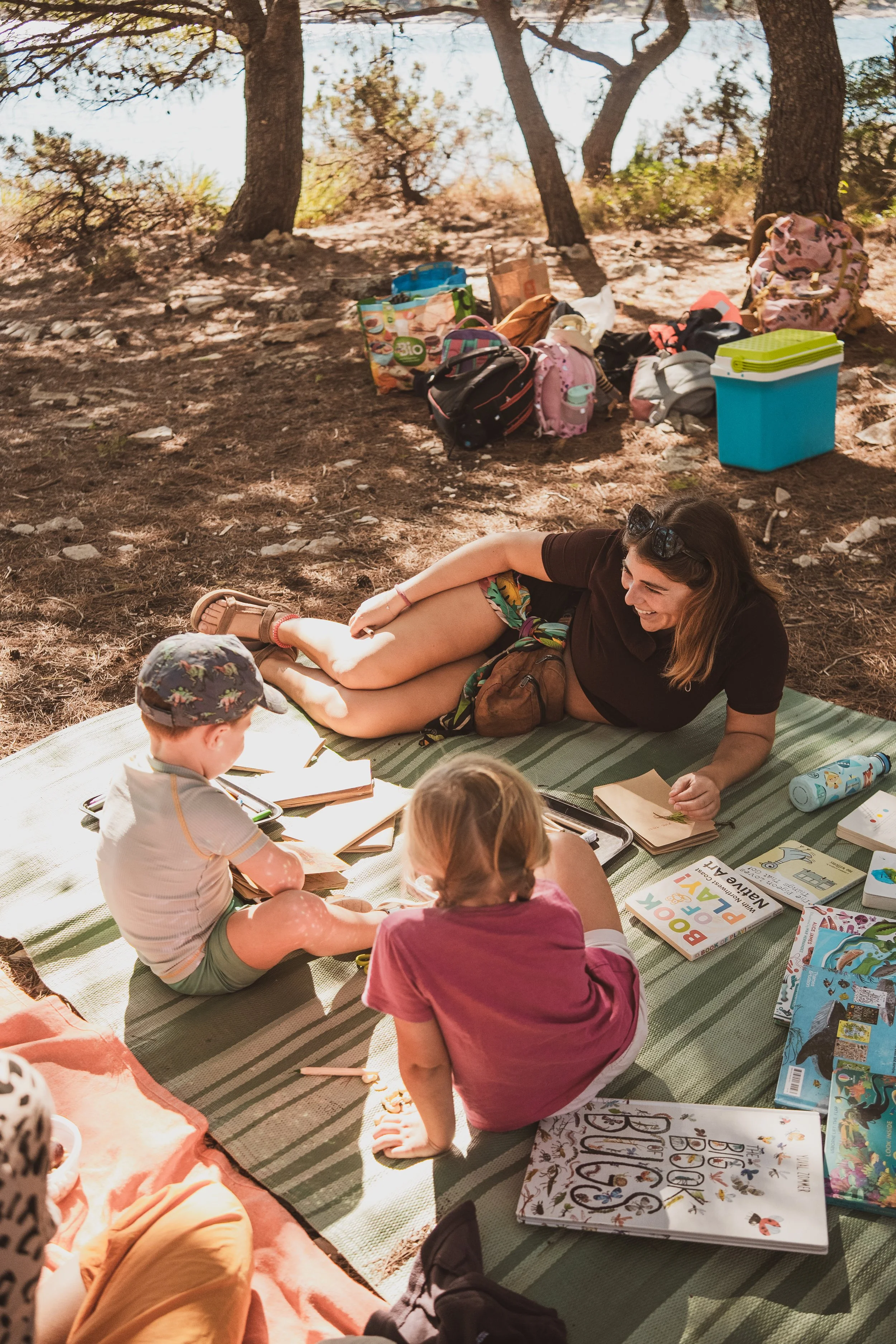
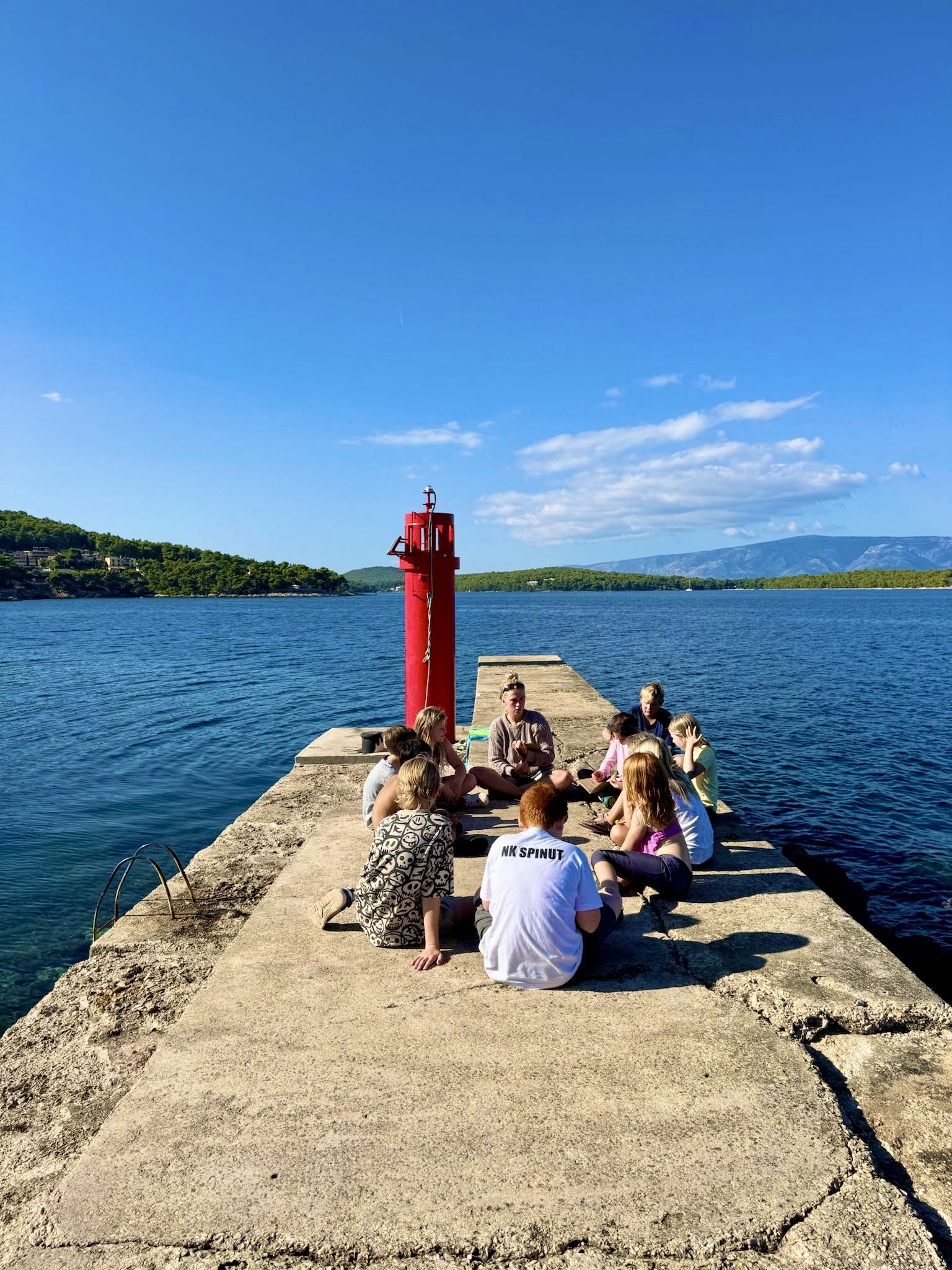
Field TripsOne day a week is spent on outdoor education. Older children will sail, while younger children will have a “forest school” day of free exploration on the uninhabited island of Zečevo.
Community
Family life as it should be
A Family Coliving VillageKids and parents all work in the same building — parents in the coworking lounge, children in the learning center next door. Families live in clustered apartments: close enough for spontaneity; private enough for sanity. Serendipitous interactions transform strangers into friends, and friends into an extended support network for life's big and little moments. Field is not an intentional community. It doesn't need to be. It's a village.
Contribution over ConsumptionCommunity is not a service. It is reciprocal. Field's culture emerges from the hobbies, skills, and generosity that families bring to it — a pasta-making workshop, a friendly gesture, an apertivo on the terrace. The school hosts a steady sequence of workshops and excursions, but we understand these to be a platform for your connection and creativity.
Digital DetoxField is, as much as possible, screen-free. There are almost no screens in the academic program. In our community contract, parents agree not to allow children access to phones, games, or internet-connected devices outside of school hours — not as a puritanical rule, but a practical one: it ensures no child is ostracized for not having the latest device, and that there is always another kid ready to play. Screens exist at Field. They just don't run the place.
Coming Home
Nearly two hundred families have come to Hvar for Field School. Most have left changed by it. The air is clearer here. The sea is bluer. There is a feeling that comes with adding your story to ten thousand years of human history — and it is hard to explain until you've felt it.
But the more practical question is: could you live here? The answer, for most families, is yes — more easily than you might expect.
The school is centered in Jelsa, a small town surrounded by villages, with the historic city of Stari Grad nearby. Strollers are ubiquitous. Playgrounds are full. The island has ten thousand year-round residents and all the services that implies: dentists, pharmacies, grocery stores, mechanics.
For anything the island doesn't have, there are daily ferries to Split — a city of half a million with an international airport — an hour away. Croatia is an EU member state with one of the lowest crime rates in the world. Almost every adult under fifty speaks English.
The island also happens to have the most UNESCO Heritages of any island in Europe, endless outdoor recreation, and a pristine quality of life that larger, more famous destinations lost decades ago. This is the Europe of story books and vintage travel posters; the Mediterranean as it once was.
Fees &
Discounts
Tuition
Tuition is €3,600 per child for the fall session — twelve weeks, all field trips and excursion costs included.
Annual DiscountFamilies who enroll in both fall and spring sessions receive a 50% discount on general tuition.
For these “academic year” families, there is an additional one-time enrollment fee of €1,000 for the family, and an annual books fee of €1,500 per child.
For a single-child family, this works out to be a 15% discount in the first year, and a 30% discount in subsequent years.
Larger FamiliesFor “academic year” families, fourth or more siblings attend at half price or €300 per month, plus books fee.
Other Costs
HousingApartments with The Field School’s accommodation partner start at €1,120/month and vary depending on size and configuration. Families also have the option to rent an apartment independently, which may offer savings, particularly for families who plan to stay for a longer period of time.
MealsMeals are not included in tuition. Families may pack their own lunches and snacks or purchase a simple school lunch.
Cost of LivingCroatia ranks twenty-fourth of forty-one European countries for cost of living, right below Spain and slightly higher than Portugal. Private healthcare is inexpensive and online retailers like Amazon and Ikea deliver to the island.
Enroll
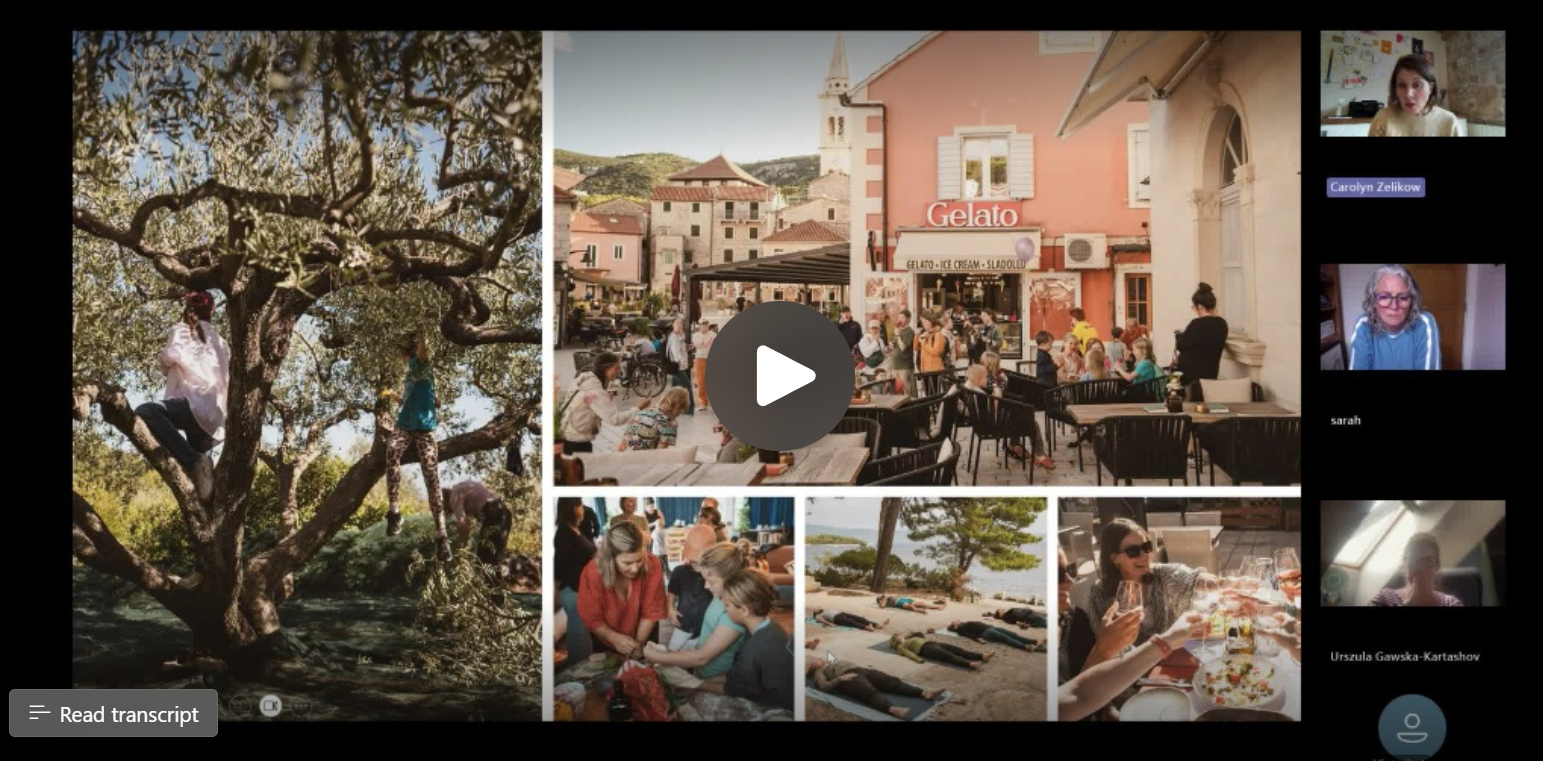
Virtual Open House
Presentation with Family Videos